
New Puppy Feeding Guide: Best Foods, Portions, Schedules and Worming Tips
Updated: Jul 22
Bringing home a puppy is joyful, noisy, and a little chaotic. One minute they are asleep in a heap, the next they are chewing a shoelace and acting like they have never eaten in their life.
Food is one of the first big care decisions. Puppies grow fast, and the right diet supports bones, muscles, brain development, immunity, digestion, and steady energy. Worming matters too, because intestinal worms are common in young pups and can affect growth, appetite, and overall health.
This guide covers the basics in a friendly, practical way. It is general information only, so use your vet’s advice for your puppy’s breed, size, health, and local parasite risks.
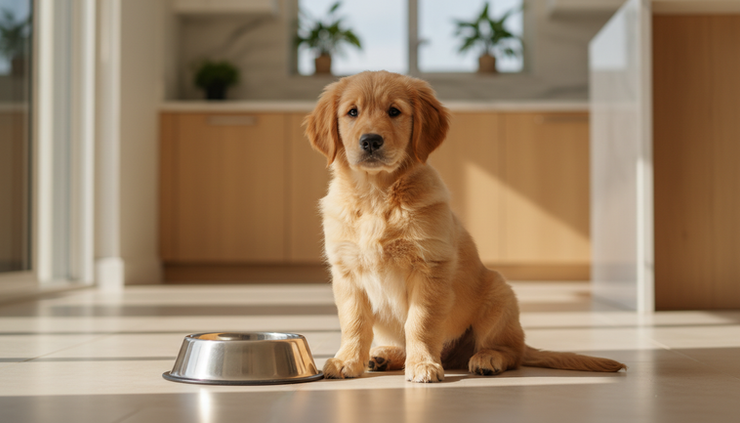
Start with a complete puppy food
The easiest and safest choice for most puppies is a complete and balanced puppy food from a reputable brand. Puppy food is different from adult dog food because it contains the right levels of energy, protein, fat, vitamins, and minerals for growth.
Look for wording on the packet that says the food is suitable for puppies or growth. Many products also state whether they are designed for all breeds, small breeds, or large breeds.
A good puppy diet should provide:
High-quality protein for muscle growth
Controlled calcium and phosphorus for healthy bones and teeth
Essential fatty acids, including omega fats, for skin, coat, and brain development
Enough energy for growth without encouraging excess weight gain
Digestible ingredients that suit young stomachs
Try not to change food suddenly. When bringing a puppy home, ask what they were eating before. Keep them on the same food for a few days while they settle in, then transition slowly over about 7 days if you want to change brands.
A simple transition can look like this:
Day | Old food | New food |
1 to 2 | 75% | 25% |
3 to 4 | 50% | 50% |
5 to 6 | 25% | 75% |
7 onwards | 0% | 100% |
If your puppy develops vomiting, diarrhoea, itching, or poor appetite during a food change, slow down and speak with your vet.
Choose food based on breed size and age
Puppies are not all built the same. A toy poodle and a Great Dane might both be puppies, but their growth rates and nutritional needs are very different.
Small breed puppies need energy-dense meals
Small breed puppies, such as cavoodles, toy poodles, dachshunds, Maltese, and Chihuahuas, often have fast metabolisms and tiny stomachs. They may do better with smaller, more frequent meals.
Small-breed puppy foods usually have:
Smaller kibble pieces
Higher energy per bite
Nutrients suited to faster early growth
Because small puppies can run out of energy quickly, avoid long gaps between meals when they are very young.
Medium breed puppies need steady growth
Medium breeds, such as border collies, staffies, beagles, kelpies, and cocker spaniels, usually do well on a quality all-breed or medium-breed puppy food.
The main goal is steady, lean growth. These pups can be active and hungry, but extra food is not always helpful. Too many calories can lead to excess weight, which places stress on growing joints.
Large and giant breed puppies need controlled growth
Large and giant breeds, such as Labradors, German shepherds, golden retrievers, rottweilers, mastiffs, and Great Danes, need special care with nutrition.
They should usually eat a large-breed puppy food. These diets are designed to support slower, controlled growth and balanced minerals. Too much energy or the wrong calcium balance can increase the risk of developmental bone and joint problems.
Avoid adding calcium supplements unless your vet specifically recommends them. A complete large-breed puppy food should already contain the right mineral balance.

Wet, dry, raw, and homemade food all have pros and cautions
There is no single best format for every puppy. The best food is one your puppy can digest well, that suits their breed and age, and that meets complete puppy nutrition standards.
Dry puppy food
Dry food is convenient, easy to measure, and usually cost-effective. It can also be useful for training because individual kibble pieces are easy to count.
Some puppies find dry food too hard at first. For young pups, you can soften kibble with warm water and let it sit for a few minutes before serving.
Wet puppy food
Wet food is often very palatable and can help with hydration. It may suit fussy puppies or pups recovering from illness, under vet guidance.
The downside is that it can be harder to measure precisely, may cost more, and spoils faster once opened.
Mixed feeding
Many owners use both wet and dry food. This can work well, as long as the total daily amount is controlled. If you add wet food, reduce the dry food so your puppy is not getting double the calories.
Raw diets
Raw feeding is popular, but it needs caution. Puppies have specific nutrient needs, and poorly balanced raw diets can lead to deficiencies or excesses during growth. Raw meat can also carry bacteria that may affect pets and people, especially children, older adults, pregnant people, or anyone with a weakened immune system.
If you want to feed raw, work with a vet or qualified veterinary nutritionist. Avoid guessing a puppy diet from online recipes.
Homemade diets
Home-cooked food can be useful in special cases, such as confirmed food sensitivities, but it must be properly balanced. Meat and rice alone is not a complete diet for a growing puppy.
A homemade puppy diet should be planned with professional help. Growth is not the time to experiment.
Get portion sizes right without guessing
Puppy feeding guides on food packets are a starting point, not a perfect rule. The right portion depends on your puppy’s:
Age
Breed and expected adult size
Current weight
Activity level
Body condition
Whether they are desexed
Treat intake
Health needs
Start with the feeding guide for your puppy’s current age and weight. Then adjust based on body condition.
A healthy puppy should look soft and young, but not round like a barrel. You should be able to feel the ribs under a light layer of fat. From above, there should be a gentle waist behind the ribs. From the side, the tummy should tuck up slightly.
If your puppy is getting too lean, they may need a little more food or a vet check. If they are getting chunky, reduce portions slightly and review treats.
Treats should make up only a small part of the day’s food. Too many extras can unbalance the diet and add calories quickly.
For training, use tiny treats. For many puppies, a few pieces of their normal kibble work well. You can set aside part of their daily ration for training so meals and rewards come from the same daily allowance.
Follow a feeding schedule that suits puppy age
Puppies like routine. Regular meals help with digestion, toilet training, sleep, and appetite monitoring.
Most puppies do well with this general schedule:
Puppy age | Meals per day | Notes |
6 to 12 weeks | 4 meals | Small, regular meals support growing bodies and tiny stomachs. |
3 to 6 months | 3 meals | Many puppies can move to breakfast, lunch, and dinner. |
6 to 12 months | 2 meals | Most medium and large pups can manage two meals. |
12 months and older | 1 to 2 meals | Many dogs stay on two meals, especially larger breeds. |
Small breeds may need more frequent meals for longer. Giant breeds may stay on puppy or junior food longer than smaller dogs because they mature more slowly.
Do not rush the move to adult food. Many small dogs can change around 9 to 12 months, while large and giant breeds may need puppy or large-breed junior food until 12 to 18 months, sometimes longer. Your vet can guide this based on growth and body condition.
A simple daily pattern could be:
Breakfast after the first toilet trip
Lunch in the middle of the day for younger pups
Dinner in the early evening
Fresh water available at all times
Avoid heavy exercise straight after meals, especially in large and deep-chested breeds. Gentle toilet breaks are fine, but delay rough play or running.

Build a balanced diet around health, not just hunger
Puppies often act starving. That does not always mean they need more food. Fast eating, begging, and sniffing for crumbs are normal puppy behaviours.
A balanced diet matters because growth happens quickly. Poor nutrition can show up as:
Slow growth or poor weight gain
Excess weight gain
Dull coat or flaky skin
Loose stools or frequent tummy upsets
Weakness or low energy
Bone and joint issues, especially in large breeds
Poor immune resilience
Fresh water is part of the feeding plan too. Puppies should always have access to clean water, although you might manage timing around bedtime during toilet training. Never restrict water all day to prevent accidents.
Be careful with extras. Some human foods are dangerous for dogs, including chocolate, grapes, raisins, onions, garlic, macadamia nuts, alcohol, caffeine, and xylitol, which is found in some sugar-free products.
Safe snacks, given in tiny amounts, may include plain cooked chicken, small carrot pieces, or puppy-safe training treats. Keep them small, especially for little breeds.
Start worming early and keep it regular
Many puppies are exposed to worms before they are old enough to go to their new home. Some worms can pass from mother to puppy before birth or through milk. That is why worming usually starts very early.
In Australia, many puppies are first wormed from about 2 weeks of age, then wormed regularly through puppyhood. Breeders and shelters often begin this before adoption, so ask for the worming record when you collect your puppy.
A common routine is:
Age | Common worming timing |
2 to 12 weeks | Every 2 weeks |
12 weeks to 6 months | Monthly |
From 6 months | Often every 3 months, depending on risk and product |
This schedule can vary based on the wormer, your location, your puppy’s lifestyle, and your vet’s advice. Always follow the product label and dose by current weight. Underdosing can make treatment less effective, and overdosing can be unsafe.
Common types of worms in puppies
Puppies can be affected by several intestinal worms.
Roundworms
These are common in puppies. They can cause a pot-bellied look, poor growth, vomiting, diarrhoea, or visible worms in vomit or faeces.
Hookworms
Hookworms feed on blood and can be serious, especially in young puppies. Signs may include pale gums, weakness, dark stools, diarrhoea, or poor growth.
Whipworms
Whipworms affect the large intestine and may cause diarrhoea, mucus, blood in stools, and weight loss.
Tapeworms
Tapeworm segments can look like small grains of rice near the bottom or in faeces. Fleas can spread some tapeworms, so flea control matters too.
Some areas and lifestyles carry extra risks. Dogs that eat raw offal, scavenge, hunt, visit farms, or live around livestock may need specific tapeworm protection. In some parts of Australia, hydatid tapeworm prevention is a particular concern. Ask your vet what applies locally.
Know the wormer options
Puppy wormers come in several forms. The best option is the one that covers the right parasites, suits your puppy’s age and weight, and is easy to give correctly.
Common options include:
Liquid wormers
These are often used for very young puppies. They can be easier to dose for tiny pups.
Pastes
Some puppy wormers come as an oral paste. They are usually measured by weight.
Tablets or chews
These are common for older puppies. Some are flavoured, but not every puppy agrees that medicine is a treat.
Spot-on products
Some topical products cover certain worms as well as fleas or other parasites. Coverage varies, so read the label carefully.
Combination parasite products
Some products combine intestinal worming with flea, tick, mite, or heartworm prevention. In Australia, heartworm prevention is a separate concern that should not be confused with standard intestinal worming. Your vet can help create a parasite plan that covers the right risks without doubling up.
Never give dog wormers to cats, or adult dog products to puppies, unless the label and your vet say it is safe. Age and weight limits matter.

Watch for signs of worm infestation
Some puppies with worms look normal, especially early on. Others show clear signs.
Contact your vet if you notice:
A swollen or pot-bellied abdomen
Diarrhoea, especially with mucus or blood
Vomiting
Worms in vomit or faeces
Rice-like segments around the bottom
Scooting or licking around the rear
Weight loss or poor growth
Dull coat
Pale gums
Low energy
Coughing, depending on the parasite involved
Worms can also affect people in some cases, especially children who play in soil or forget to wash their hands after handling pets. Good hygiene helps. Pick up faeces promptly, wash hands after cleaning up, keep bedding clean, and maintain flea control.
If your puppy seems unwell, do not wait for the next scheduled worming dose. Young puppies can go downhill quickly, especially if diarrhoea, vomiting, or pale gums are present.
Make feeding and worming part of one care routine
The easiest puppy care plans are simple and repeatable. Keep a notebook, phone reminder, or calendar with:
Food brand and flavour
Daily feeding amount
Meal times
Weight checks
Treats and training food
Worming product name
Dose given
Next worming date
Any vomiting, diarrhoea, or appetite changes
Weigh your puppy regularly if you can. For small pups, home scales may work. For larger pups, many vet clinics are happy for patients to drop in for a quick weigh-in.
Bring these records to vet visits. They help your vet give more accurate advice about food, growth, body condition, and parasite prevention.
A calm routine helps your puppy thrive
Feeding a new puppy does not need to be complicated. Choose a complete puppy food matched to breed size, measure meals, feed on a steady schedule, and adjust portions as your puppy grows. Keep treats small, make changes gradually, and use your puppy’s body condition as a guide.
Worming is just as much a part of early care as food. Start early, dose by weight, follow a regular schedule, and ask your vet which products suit your puppy and your area.
A well-fed, well-wormed puppy has the best chance to grow into a healthy adult dog. Set the routine now, and life gets easier for both of you.


Comments